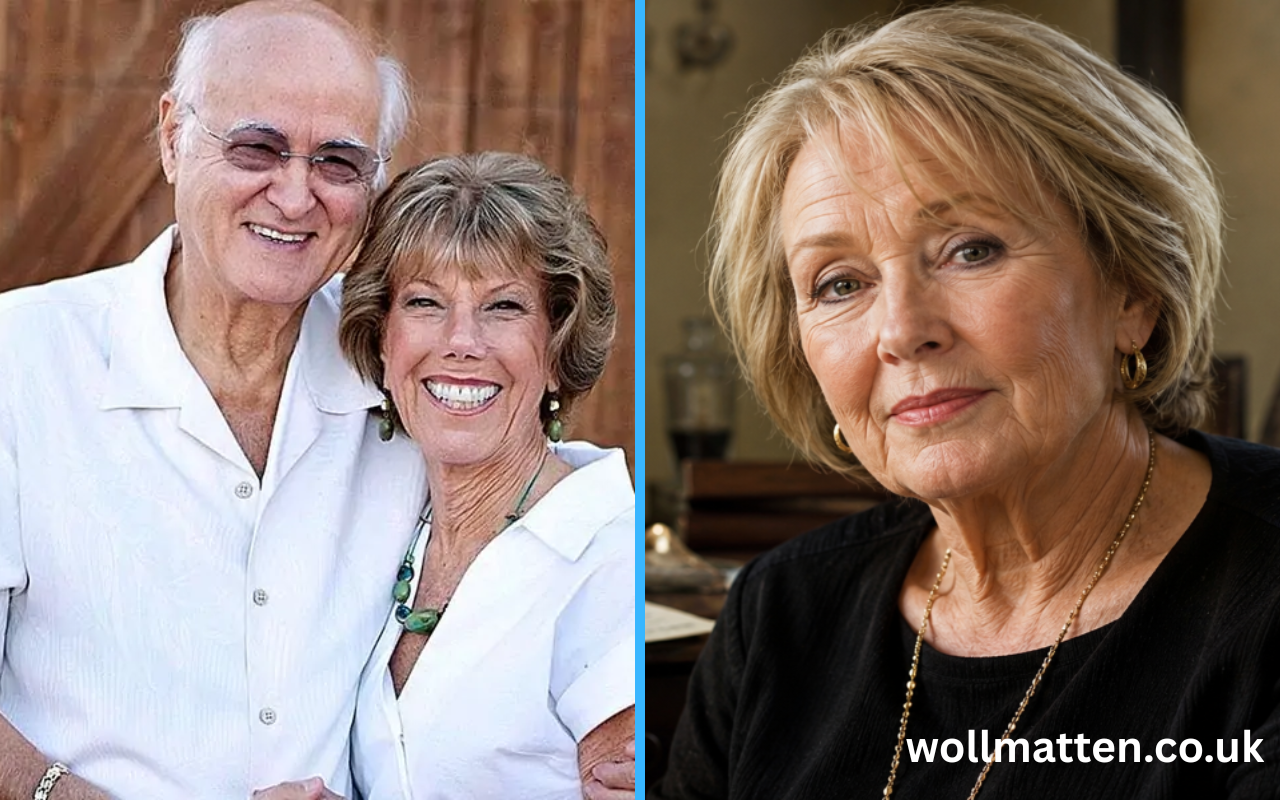
Joanne Schieble: The Untold Strength Behind a Visionary
Table of Contents
ToggleIntroduction
You have probably heard of Steve Jobs. The genius behind Apple. The visionary who changed how we use technology. But have you ever wondered about the woman who gave him life? Her name is Joanne Schieble. And her story is far less known but equally powerful. Most people skim over her name in biographies. Yet, without her quiet strength, courage in difficult times, and later reconciliation, the Steve Jobs we know might never have existed. This article pulls back the curtain on Joanne Schieble. You will learn about her early life, the painful decision to give up a child for adoption, her complex relationship with her daughter, and how she finally reconnected with her son. We will also explore the emotional weight of family secrets. By the end, you will see Joanne Schieble not just as a footnote in tech history, but as a woman who navigated shame, love, loss, and redemption. Let us step into her world.
Who Was Joanne Schieble? A Brief Background
Joanne Schieble was born in 1932 in Wisconsin. She grew up in a strict, conservative household. Her father, Arthur Schieble, was a prominent businessman. He owned a successful mink ranch and several properties. The family was well off but deeply traditional. They were also devout Catholics. That faith shaped everything in their home. Joanne was the youngest of three children. She was bright, ambitious, and wanted more than small town life. So she left Wisconsin to study at the University of Wisconsin Madison. That is where her life took a sharp turn.
At university, she met a young Syrian teaching assistant named Abdulfattah “John” Jandali. He was charismatic, intellectual, and came from a wealthy Syrian family. They fell in love. But her father absolutely forbade the relationship. He did not approve of Jandali’s background or religion. When Joanne became pregnant in 1954, the situation exploded. Her father threatened to disown her completely if she married Jandali. So Joanne made one of the hardest decisions of her life.
The Heartbreaking Choice: Adoption and Secrecy
Imagine being young, pregnant, and torn between love and family loyalty. That was Joanne Schieble in 1954. She traveled to San Francisco to have her baby away from judgmental eyes. On February 24, 1955, she gave birth to a boy. She named him Steven Paul. But she was not allowed to keep him. Her father’s conditions were brutal. If Joanne kept the child, she would lose all financial support and family connection. If she gave the baby up for adoption, she could return home and resume her life.
So she signed the adoption papers. The baby went to Paul and Clara Jobs, a working class couple from San Francisco. But here is a detail many miss. Joanne Schieble did not simply hand over her son and disappear. She made the adoptive parents sign a contract. She insisted that they promise to send the boy to college. That was her one condition. She wanted him to have opportunities she felt she could not provide. That small clause shows so much about her character. Even in heartbreak, she was thinking about his future.
She returned to Wisconsin. She finished her master’s degree in speech therapy. Later, she married Jandali secretly. But that marriage did not last. They divorced when Steve was still young. And for years, the secret of the adoption remained buried.
The Silence and the Search
For nearly two decades, Joanne Schieble kept quiet. She went on to have another child, a daughter named Mona. Mona grew up knowing little about her half brother. Joanne rarely spoke about the adoption. That silence was common in the 1950s and 60s. Unwed mothers were shamed. Adoption was often a closed chapter never reopened. But feelings do not disappear. Guilt does not fade just because you stop talking about it.
I have seen this pattern in other families. A secret kept “to protect everyone” ends up hurting more than the truth would have. Joanne probably believed she was being selfless. She gave her son a chance at a stable home. But she also lived with the pain of not knowing if he was okay. Did he laugh easily? Was he happy? Did anyone read him bedtime stories? Those questions must have haunted her.
Then in the early 1980s, something shifted. Steve Jobs was becoming famous. His face appeared on magazine covers. Joanne recognized the last name “Jobs” from the adoption papers. But she was not sure. So she reached out to Paul and Clara Jobs, his adoptive parents. They confirmed the truth. Her son was the co founder of Apple Computer. That discovery must have been overwhelming. Pride, regret, fear, hope all mixed together.
The First Contact: An Awkward, Painful Reunion
Joanne Schieble decided to call her son. Steve Jobs later described the moment as strange and cold. He was in his late twenties. He had known he was adopted since childhood. But he had never searched for his birth mother. So when Joanne called, he felt no immediate connection. They met in person. And it was not a fairy tale reunion. Joanne cried. Steve sat there, unmoved. He asked about her reasons for giving him up. She explained the pressure from her father, the religious shame, the lack of support.
Steve was not angry. But he was not warm either. He told her, “Don’t worry. I turned out fine.” That was his way of closing the emotional door. For Joanne, it must have stung. She had waited decades for this moment. And her son seemed almost indifferent. But she did not give up. She stayed in touch. She sent letters. She shared stories about his biological father, Jandali, who was also trying to reconnect. Over time, Steve softened. Not completely. But enough.
A Slow Path to Forgiveness and Connection
The turning point came through Mona, Joanne’s daughter. Mona Simpson grew up knowing she had a half brother somewhere. But like her mother, she did not dwell on it. When Steve and Mona finally met, they clicked immediately. They had similar intensity, curiosity, and sharp wit. Mona became a successful novelist. Steve became a devoted brother to her. And through Mona, Joanne found a way back into Steve’s life.
Steve never fully embraced Joanne as a mother figure. He always called Paul and Clara Jobs his real parents. And that is understandable. Love is built through daily presence, not biology. However, he did acknowledge Joanne. He paid for her to travel. He visited her occasionally. He made sure she was comfortable financially. In his later years, especially after he had his own children, Steve seemed to understand the complexity of her choice. He once said, “I have a lot of sympathy for her. She was young. She was pressured. She did what she thought was right.”
That is a profound statement. Sympathy, not anger. Understanding, not blame. That is the closest Joanne Schieble ever got to a full embrace from her famous son.
Joanne Schieble’s Later Years: Quiet, Private, Dignified
Unlike her son, Joanne Schieble never sought the spotlight. She lived quietly in Los Angeles. She worked as a speech therapist for many years. She enjoyed painting, reading, and spending time with Mona. Friends described her as gentle, thoughtful, and deeply private. She did not give interviews. She did not write a memoir. She let her actions speak. When Steve Jobs was diagnosed with pancreatic cancer, Joanne was devastated. She stayed close to the family. She visited him when he was well enough to see her.
When Steve died in 2011, Joanne did not attend the public memorial. She mourned privately. Mona Simpson gave a moving eulogy at Steve’s funeral. In it, she mentioned their mother briefly, saying, “Our mother, Joanne, carries a quiet grief that will never fully leave her.” That sentence says everything. You can make peace with a past decision and still feel its weight forever.
Joanne Schieble passed away in 2016. She died peacefully, surrounded by family. Her obituary was short. Most news outlets ignored it. But those who knew her story understood. She was not a tech icon. She was not a celebrity. She was a woman who made an impossible choice and then spent her life trying to make it right.
What We Can Learn from Joanne Schieble’s Life
There are several powerful lessons here. First, no decision exists in a vacuum. Joanne gave up her son because her family and society gave her no good options. That does not excuse the pain. But it explains it. Second, reconciliation takes time. Sometimes years. Sometimes decades. But it is never too late to reach out. Third, you can be a good parent even after an adoption. Joanne could not raise Steve. But she raised Mona well. And she eventually showed up for Steve in the ways he would accept.
Also, let us talk about guilt. Joanne Schieble carried guilt for most of her life. Yet she kept functioning. She built a career. She raised another child. She did not let regret destroy her. That takes real strength. Many people crumble under the weight of past mistakes. She did not.
From a practical standpoint, if you are struggling with a family secret or an adoption story, consider these steps:
-
Acknowledge the pain without blaming yourself entirely.
-
Reach out if you feel safe doing so. You might be surprised by the response.
-
Accept the other person’s reaction even if it is not what you hoped for.
-
Focus on the present not the past. Small, consistent efforts matter more than grand gestures.
-
Forgive yourself first. Others may come around later.
Common Misconceptions About Joanne Schieble
Let us clear up a few things. Some people think Joanne abandoned Steve without a second thought. That is false. She fought to ensure he would go to college. She searched for him once he was an adult. She kept trying to connect even when he was distant. Others assume she was wealthy and cold. Actually, she came from money but lost much of it later. And she was never cold. Shy, yes. Reserved, yes. But people who knew her used words like “tender” and “caring.”
Another myth is that Steve Jobs hated her. He did not. He was simply indifferent for a long time. Hate requires emotional investment. Steve’s attitude was more like, “You are my biological mother, but not my mom.” That distinction is crucial. He honored Paul and Clara as his true parents. That did not mean he rejected Joanne. It meant he had clear boundaries.
Finally, some believe Joanne refused to meet her son’s children. Not true. She met Steve’s daughter Lisa and his younger children with Laurene Powell. She simply preferred to stay out of the media glare.
How Her Story Connects to Modern Adoption Conversations
Adoption today looks very different from the 1950s. Open adoptions are common. Birth parents often stay in touch. There is less shame around unmarried mothers. But the emotional core remains the same. Giving up a child is traumatic. Searching for a birth child is terrifying. Reunions can be joyful, awkward, or painful. Sometimes all three at once.
Joanne Schieble’s experience mirrors what many birth parents still feel. The longing. The fear of rejection. The relief when contact is made. The sadness when it does not go perfectly. If you are a birth parent reading this, know that you are not alone. Your feelings are valid. And you do not need a perfect reunion to heal.
From the adoptee’s side, Steve’s reaction is also common. Not everyone wants to bond with biological relatives. And that is okay too. Respecting each other’s boundaries is more important than forcing a Hallmark movie moment.
The Role of Mona Simpson as a Bridge
We cannot talk about Joanne Schieble without mentioning her daughter Mona. Mona acted as a bridge between mother and son. She never took sides. She listened to both. She wrote about her family with honesty in her novel “Anywhere But Here” and in her eulogy for Steve. Mona’s presence helped soften Steve’s heart. He saw how much Mona loved their mother. That gave him a new perspective.
If you have a family rift, sometimes a neutral third party helps. Not a therapist necessarily. Just a trusted person who can pass messages without drama. Mona played that role beautifully. She did not force anything. She simply stayed connected to both. Over time, that consistency built trust.
Conclusion: A Life of Quiet Courage
Joanne Schieble was not a perfect person. She made a decision that caused decades of separation. But she also spent the rest of her life trying to heal that wound. She faced rejection. She faced guilt. She faced a son who could not love her the way she hoped. Yet she kept showing up. Quietly. Gently. Without demands.
Her story reminds us that family is complicated. Biology does not guarantee closeness. Adoption does not erase love. And forgiveness often comes in small doses over many years. The next time you hear the name Steve Jobs, remember the woman behind him. Not for pity. But for respect. She survived shame, loss, and silence. And in the end, she found her way back to her son.
What would you do if you had to make an impossible choice like Joanne’s? Have you ever tried to reconnect with a lost family member? Share your thoughts below. And if this article helped you see adoption or family secrets in a new light, pass it on to someone who might need it.
Frequently Asked Questions
1. Was Joanne Schieble married to Steve Jobs’ biological father?
Yes, she married Abdulfattah Jandali secretly after giving up Steve for adoption. They later divorced.
2. Did Joanne Schieble ever meet Steve Jobs in person?
Yes, they met in the early 1980s after she contacted him. The first meeting was emotionally difficult.
3. Why did Joanne Schieble give Steve Jobs up for adoption?
Her father strongly opposed her relationship with Jandali and threatened to disown her if she kept the baby.
4. Did Steve Jobs forgive Joanne Schieble?
He expressed sympathy and understanding but never called her “mother.” He considered Paul and Clara Jobs his real parents.
5. What did Joanne Schieble do for a living?
She worked as a speech therapist for many years after earning her master’s degree.
6. Did Joanne Schieble have other children?
Yes, she had a daughter named Mona Simpson, who became a well known novelist.
7. How did Joanne Schieble die?
She died peacefully in 2016. The exact cause was not widely reported, respecting her family’s privacy.
8. Did Steve Jobs support Joanne Schieble financially?
Yes, once he became wealthy, he helped support her financially and paid for her travel.
9. Why didn’t Joanne Schieble raise Steve Jobs herself?
Her father’s disapproval and threat of disownment, plus societal shame around unwed mothers in the 1950s, pressured her into adoption.
10. Is Joanne Schieble mentioned in Steve Jobs’ biography?
Yes, Walter Isaacson’s biography covers her story, including the adoption, the reunion, and her relationship with Steve.