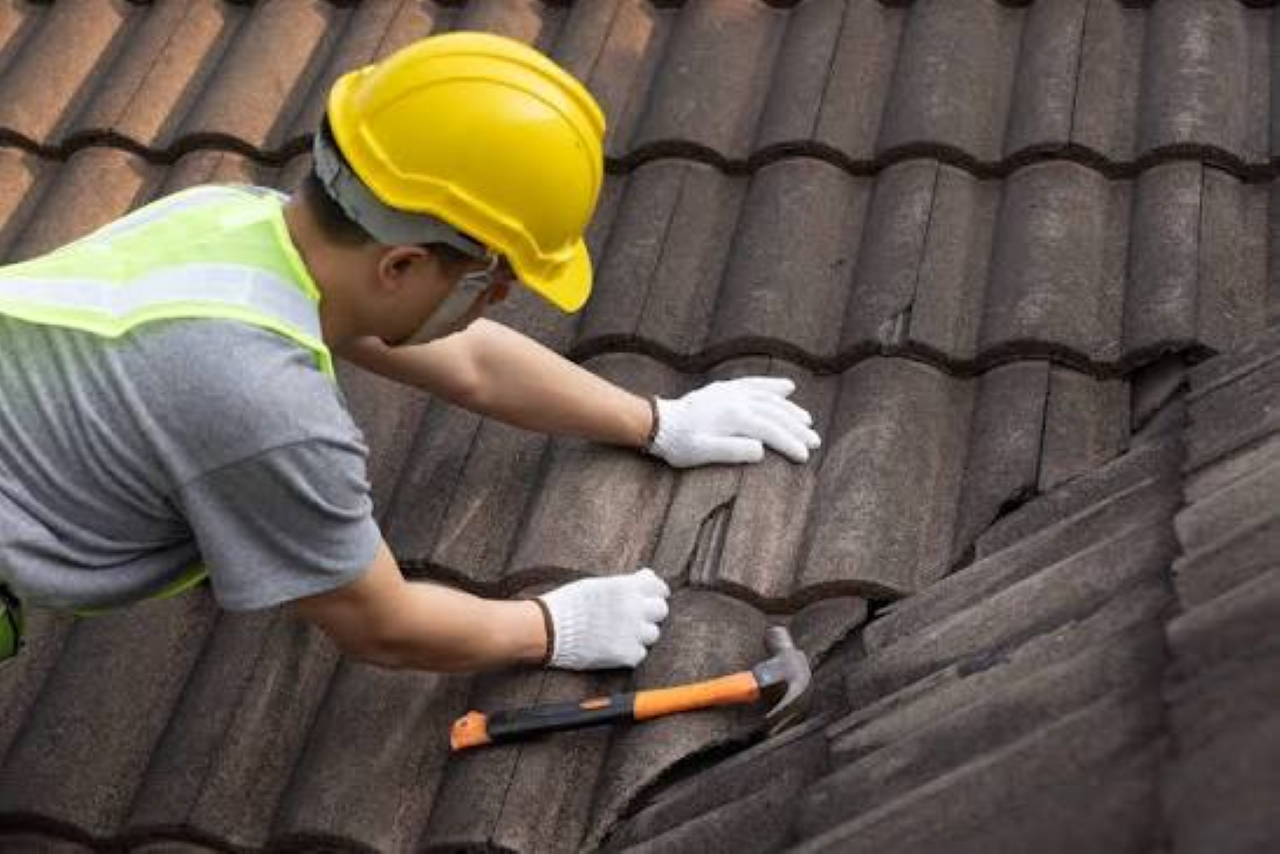
Roof Replacement: Why Proper Caulking and Sealing Matter
A quality roof replacement is about much more than installing new shingles. One of the final details that helps ensure a roof performs properly is the careful application of roofing sealants where they are needed. Proper sealing helps protect vulnerable areas from water intrusion while giving the finished roof a clean, professional appearance.
Not every part of a roof should be covered with caulk. Experienced roofing contractors know that roofing systems are designed to shed water naturally through properly installed shingles, flashing, underlayment, and drainage components. Sealants are used in specific locations where manufacturers recommend them—not as a substitute for proper installation.
One of the most common places sealant is used is around pipe boots. Plumbing vent pipes extend through the roof, creating an opening that must be properly sealed. A quality roofing sealant helps protect the flashing around these penetrations while preventing water from entering the home.
Sealants are also commonly applied around flashing at chimneys, skylights, wall transitions, and other roof penetrations when appropriate. These areas receive constant exposure to rain, snow, and changing temperatures, making careful attention to detail especially important.
Properly sealed exposed fasteners are another important part of a professional roof installation. On components where exposed fasteners are part of the design, approved roofing sealant helps protect the fastener heads from moisture while extending the life of the installation.
Using the correct roofing sealant is just as important as knowing where to apply it. Professional roofing contractors select products designed specifically for roofing applications that remain flexible through hot summers and freezing winters. High-quality sealants are better able to handle the expansion and contraction that occurs throughout the seasons.
An experienced roofing crew also understands that excessive caulking is not a sign of quality workmanship. A properly installed roof should rely on correctly installed flashing, overlapping materials, and manufacturer-approved installation methods to direct water away from the home. Sealant is used as an additional layer of protection where appropriate—not to compensate for poor workmanship.
Before completing a roof replacement, professional contractors inspect the entire roofing system. Flashing details, roof penetrations, ridge caps, drip edge, and other critical areas are checked to ensure everything has been installed correctly. This final quality inspection helps verify that the roof is ready to provide long-lasting protection.
The small details often make the biggest difference in a roof replacement. Careful sealing, proper flashing installation, and attention to every finishing touch help create a roofing system that is both attractive and built to withstand years of rain, snow, wind, and changing weather conditions