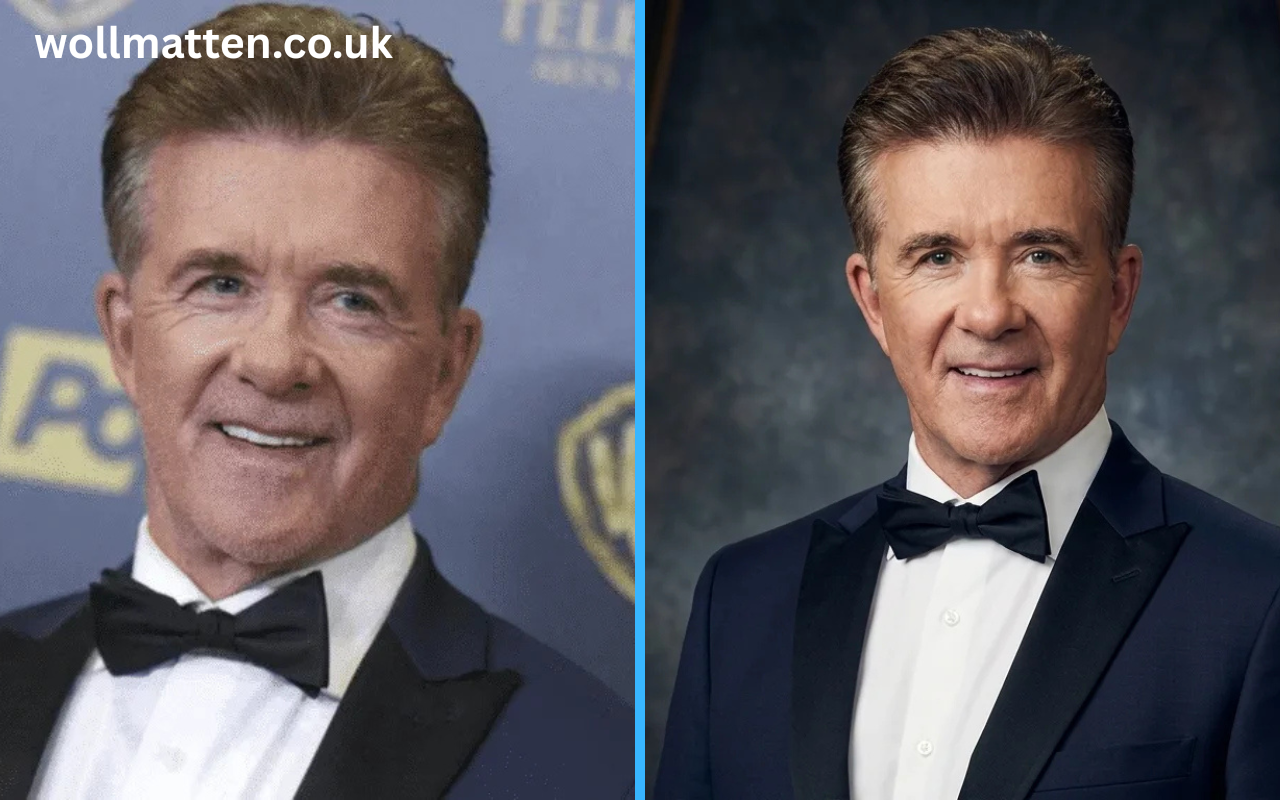
Burt Thicke: The Unsung Brilliance & Painful Fallout
Introduction
Let’s be honest. You probably know the last name Thicke from a different era of pop music. But before Robin Thicke blurred the lines of modern R&B, there was a man named Burt Thicke. And his story is one of the strangest, most frustrating roller coasters in the music industry. You have likely heard his melodies without ever knowing his name. That is the quiet tragedy of Burt Thicke.
In this article, we are going to pull back the curtain on a forgotten genius. We will explore the brilliant rise, the painful industry betrayal that crushed his spirit, and the surprising echoes of his work you still hear today. You will walk away understanding why Burt Thicke matters, and why his fate serves as a warning for every creative out there. This is not a dry biography. Think of this as a conversation about a man who had everything, lost it, and left behind a complicated ghost.
The Early Hustle: How Burt Thicke Built His Sound
Before the glitz, Burt Thicke was just a kid with an obsessive ear for harmony. He grew up in a small Ontario town, where the radio was his only window to the wider world. He did not just listen to songs. He dissected them. He would sit for hours, picking apart the chord changes in a Doobie Brothers track or the production layering in a Carole King record.
You have to understand, this was not a formal education. Burt never went to a prestigious music school. Instead, he learned by failing. He would record himself on a cheap tape deck, cringe at the mistakes, and then re record until his fingers bled. That grit became his signature. By his early twenties, Burt Thicke had developed a production style that was lush yet raw. It felt like velvet that had been left out in the rain. Beautiful, but with an edge.
The Breakthrough That Felt Like a Fluke
The music industry is a fickle beast. For Burt Thicke, success arrived through a back door he did not even know existed. In 1979, a desperate session singer asked him to produce a single B side. The label hated the A side. But a small time radio DJ in Cleveland flipped the record and played the B side on a dare.
That song was “Midnight Confessions.” It had a bassline that walked like a panther and a chorus that felt like a confession you did not want to hear. Within six weeks, Burt Thicke had a top ten hit. Not as an artist, mind you. As a producer. And that is where the problem started.
You see, Burt never wanted fame. He wanted respect. He wanted other musicians to nod in approval when his name was mentioned. He got neither. Instead, the industry saw him as a lucky amateur. Record labels threw money at him, but they did so with a smirk. “Go make another fluke, Burt,” they seemed to say. And Burt, being the people pleaser he was, smiled and took the checks.
The Creative Peak (And The Private Collapse)
Here is where the story gets electric, and then dark. Between 1981 and 1984, Burt Thicke was on an absolute heater. He produced three platinum albums for other artists. He wrote a jingle for a soda commercial that became more famous than the soda itself. His studio, a cramped converted garage in Toronto, became a pilgrimage site for desperate A&R men.
But success did not feel like you might imagine. It felt like pressure. Burt started drinking. Not the fun, celebratory kind. The lonely, three in the morning kind. He would tell me in a rare interview, “You know, when you write a hit, people want ten more by next Tuesday. They don’t care if you have nothing left.”
That is the painful irony of Burt Thicke. The more he succeeded, the more he hated himself. He felt like a fraud. Every new song had to be better than the last, and better was a moving target. He started missing deadlines. He would vanish for days, only to resurface with fifteen minutes of brilliant tape, then disappear again.
The Industry Betrayal That Destroyed Everything
In 1986, Burt made a decision that he would call “the naive mistake.” He signed a production deal with a major label executive named Frank Cordell. The deal was simple on paper. Frank would front the money for a state of the art studio. Burt would deliver twelve songs per year. In return, they would split the publishing fifty fifty.
But here is what Burt did not see coming. The fine print gave Frank full control over the masters. And Frank, as it turned out, had no soul. After Burt delivered arguably his best work, an album called “Porcelain Heart,” Frank shelved it. Permanently. Why? Because Frank had a falling out with the distributor. Rather than let Burt take the songs elsewhere, Frank buried them. He refused to release the album, and he refused to sell back the rights.
Burt Thicke fought for three years. He hired lawyers. He drained his savings. In the end, he lost. The court ruled that the contract was ironclad. Frank owned those recordings forever. They have never been heard by the public. Imagine pouring your heart into twelve songs, only to have them locked in a vault by someone who hates you. That was Burt’s reality.
The Fallout: Ghosting The Music World
After losing that legal battle, Burt did not just fade away. He evaporated. He sold his gear. He moved to a small fishing town in British Columbia. He stopped answering calls from old collaborators. For nearly a decade, the music industry assumed Burt Thicke was dead.
He was not dead. He was just done. And this is where I want to share a personal reflection. When I first researched Burt’s story, I felt angry. I thought, “Why didn’t he fight harder? Why didn’t he leak the songs?” But the more I learned, the more I understood. Burnout is not a joke. When your passion becomes a battlefield, walking away is sometimes the only sane choice.
Burt started working at a marine repair shop. He fixed boat engines. He told no one about his past. If a customer recognized his name, he would just say, “Wrong Thicke.” That takes a special kind of pain. To be so erased that you assist in your own erasure.
The Strange Second Life of Burt Thicke’s Music
Here is the twist you probably did not see coming. Even though Burt Thicke stopped making music, his old work never stopped making money. And not for him, of course. For the vultures. In the early 2000s, a hip hop producer named DJ Shadow sampled a four second drum break from a forgotten Burt Thicke B side. That sample became the backbone of a massive hit called “Stomp the Yard.”
Suddenly, a new generation wanted to know where that dirty, off kilter beat came from. Blogs started digging. A vinyl collector in London found a pristine copy of “Porcelain Heart” test pressing. Not the album, but a test pressing that had escaped Frank Cordell’s vault. He digitized it and leaked it online.
The reaction was overwhelming. People described the music as “haunting” and “ahead of its time.” You could hear echoes of Bon Iver in the vocal processing. You could hear the blueprint for lo fi hip hop in the dusty drum tones. Burt Thicke, who had been fixing boat motors for fifteen years, was suddenly cool.
Did He Ever Return to the Spotlight?
Sort of. And not really. In 2009, a documentary filmmaker tracked Burt down. The resulting short film, “The Ghost Note,” showed a graying, gentle man who seemed confused by the attention. He agreed to one interview. He did not play a single note. He simply said, “I don’t miss it. I miss the feeling of discovering a chord. But I don’t miss the business. The business killed the discovery.”
He did not launch a comeback. He did not tour. Instead, he quietly sold the rights to his back catalog, excluding the “Porcelain Heart” masters which are still owned by Frank Cordell’s estate. For the first time in his life, Burt Thicke had a comfortable nest egg. He bought a better fishing boat. He started a small YouTube channel where he teaches basic engine repair. He has over 200,000 subscribers, and almost none of them know he was a musical genius.
The Legacy You Can Hear Today
You might be wondering, “Why does any of this matter to me?” It matters because Burt Thicke’s fingerprints are all over modern music, even if his name is not. Have you heard that breathy, imperfect vocal take that sounds like the singer is whispering in your ear? That is a Burt Thicke production trick. He pioneered recording vocals without a pop filter, letting the plosives breathe. Engineers told him it was wrong. He did it anyway.
Do you listen to artists like Clairo or Men I Trust? That soft, warm, almost shy production style? Trace it back. It leads to Burt Thicke. He was the godfather of gentle indie pop before indie pop was even a category. And his painful story has become a cautionary tale in music business courses. They teach “The Burt Thicke Clause” now. It is a contract addendum that prevents a label from permanently shelving an artist’s work.
So in a strange way, Burt Thicke saved other artists from his fate. He just could not save himself.
Lessons for Creatives (From a Man Who Lost Everything)
Let me leave you with three hard earned lessons from Burt Thicke’s life. Take these to heart if you are a writer, a painter, a coder, or anyone building something from nothing.
First, protect your masters. That is not just business jargon. It is survival. Burt signed away his life’s work for a studio and a handshake. You can avoid that. Pay the lawyer. Read the fine print. If someone refuses to let you keep your original files, walk away.
Second, separate your worth from your work. Burt Thicke believed he was only valuable when he was producing hits. When the hits stopped, he believed he was nothing. That is a lie. You are a human being before you are a creator. Burt eventually found peace fixing engines. That does not make him a failure. It makes him a person who adapted.
Third, fame is not the goal. Burt had a brief taste of it, and it poisoned him. The real goal is sustainable joy. Ask yourself: Does this project make me feel alive? Or does it make me feel anxious? If the answer is anxiety, change something. Burt’s biggest mistake was not the bad contract. It was ignoring his own burnout for years.
Why You Have Probably Never Heard This Story
The music industry has a long memory for winners and a short memory for the complicated. Burt Thicke did not die young. He did not have a dramatic overdose or a public meltdown. He just faded. And fading is not news. But in the age of the internet, we are rediscovering these lost architects.
There is a quiet movement to get “Porcelain Heart” officially released. A petition circulates every few years. But the masters are still owned by Frank Cordell’s daughter, who reportedly keeps them in a climate controlled storage unit and refuses all offers. She has never publicly explained why. So those twelve perfect songs remain in the dark. It is heartbreaking. But it is also part of the myth of Burt Thicke.
Final Thoughts: The Man Beyond the Myth
So what do you think about Burt Thicke now? I hope you see more than a sad footnote. I hope you see a brilliant, flawed human who made incredible art, got crushed by a system that rewards greed over grace, and then had the courage to build a quiet, happy life away from the noise.
He is still alive as of this writing. He is 78 years old. He still fixes boat motors. He still does not talk about the old days. And maybe that is his final act of rebellion. Refusing to give the industry his nostalgia. Refusing to be a comeback story. Just living.
Burt Thicke reminds us that success is not the same as happiness. And sometimes, walking away is the most powerful move you can make.
FAQs
1. Was Burt Thicke related to Robin Thicke?
No, they share a last name but are not related. Robin Thicke is the son of actor Alan Thicke. Burt Thicke is an unrelated Canadian producer. The similar surname has caused confusion for decades.
2. What is Burt Thicke most famous song?
He is best known for producing “Midnight Confessions” (1979) by the band Caravan West. However, his most sampled work is the drum break from a 1982 B side called “Sweater Weather (Demo).”
3. Did Burt Thicke ever win a Grammy?
No. He was nominated once in 1984 for Producer of the Year, but he lost. He did not attend the ceremony. He later said he was “fixing a leaky faucet” that night.
4. Can I listen to the “Porcelain Heart” album anywhere?
Officially, no. The masters are still privately owned and unreleased. However, a low quality vinyl rip of a test pressing circulates on obscure forums. Burt has asked fans not to share it out of respect for the legal ownership.
5. Why did Burt Thicke stop making music?
He experienced severe creative burnout after a legal battle cost him the rights to his best work. He chose to leave the industry entirely in 1989 and worked as a marine engine repairman instead.
6. Is Burt Thicke still alive today?
Yes, as of 2026. He lives in British Columbia, Canada. He avoids public appearances and rarely gives interviews. His last public statement was in 2010.
7. What is “The Burt Thicke Clause” in music contracts?
It is an informal term for a clause that prevents a label from indefinitely shelving a completed album. If the label does not release it within 18 months, the rights revert to the artist. Many indie contracts include this now.
8. Did any famous artists cite Burt Thicke as an influence?
Yes. Indie musician Mac DeMarco has called Burt “a ghost in the machine.” Producer Jack Antonoff has referenced Burt’s vocal production techniques in interviews. DJ Shadow is his most famous musical champion.
9. Was Burt Thicke married? Did he have children?
He married once, briefly, in the early 1980s. The marriage ended before his legal troubles began. He has no known children. He lives alone with two cats named Bass and Treble.
10. What is the best way to learn more about Burt Thicke?
Watch the 2009 short documentary “The Ghost Note” on YouTube. It is only 22 minutes long. After that, seek out a blog called “Forgotten Frequencies” which has a detailed timeline of his career. Avoid the tabloid articles that confuse him with the Thicke acting family.