Booty Bands Review: The Truth About Glute Gains
Table of Contents
ToggleIntroduction
Let’s be honest for a second. You have probably seen countless influencers on social media showing off their sculpted glutes while wrapping a colorful band around their thighs. And you have likely wondered: do these things actually work, or is this just another fitness fad? I used to be skeptical too. But after incorporating booty bands into my own routine and seeing the difference they make, I can tell you there is real value here. However, there is also a lot of hype that needs to be cut through. The truth is that booty bands are a fantastic tool, but they are not magic. They serve a very specific purpose, and when you use them correctly, they can transform your lower body workouts. In this article, we will break down everything you need to know about booty bands, including their benefits, the best exercises, how to choose the right resistance, and the honest limitations you need to be aware of.
What Exactly Are Booty Bands?
A booty band is essentially a short, looped resistance band designed to be worn around your legs. Unlike long resistance bands used for pull-ups or full-body exercises, these are compact and specifically target the hips, glutes, and thighs. They are typically made from either thick fabric or latex. Fabric bands are often wider and covered in cloth, which helps them stay in place and prevents them from rolling up or pinching your skin during workouts. Latex bands, on the other hand, are generally stretchier and can offer a wider range of resistance levels.
How Are They Different from Regular Resistance Bands?
This is a common point of confusion. While all resistance bands provide tension, booty bands are specifically designed for lower-body and glute-focused work. Regular loop bands, often called “power bands,” are much longer and thicker. They are used for heavy lifting assistance, pull-ups, and full-body strength movements. Booty bands are shorter and provide moderate resistance that is perfect for lateral movements and glute activation. You wear them around your thighs or ankles, which forces your glute muscles to work harder to stabilize your hips. So, if you are looking to isolate your glutes and improve hip stability, a booty band is the right tool for the job.
Why You Need Booty Bands in Your Workout
There are several compelling reasons to add a booty band to your fitness arsenal. These small pieces of equipment punch well above their weight class.
Targeted Glute Activation
Many people suffer from “lazy glutes” due to prolonged sitting. This means their glute muscles are not firing properly during exercise, which leads to poor form and even injury. Booty bands are excellent for waking up those dormant muscles. When you place a band just above your knees, it creates an outward tension that forces your gluteus medius and minimus to engage. This neuromuscular connection is crucial for getting the most out of compound lifts like squats and deadlifts.
Improved Form and Stability
One of the biggest benefits of using a booty band is the immediate feedback it provides on your form. During exercises like squats, the band encourages you to push your knees outward. This prevents your knees from caving in, which is a common mistake that puts unnecessary stress on your joints. By improving your alignment, booty bands help you build strength safely.
Portability and Convenience
Let’s face it: not everyone has space for a home gym. Booty bands are incredibly lightweight and portable. You can toss them in your gym bag or even your suitcase. This makes them perfect for travel workouts or for squeezing in a quick session at the office. You do not need heavy weights or complex machines to get an effective workout.
Low Impact on Joints
If you have joint issues or are recovering from an injury, booty bands offer a safe alternative to heavy lifting. They provide resistance without the compressive force of barbells or dumbbells. This makes them ideal for physical therapy and rehabilitation, as they allow for controlled, low-load movements.
The Top Booty Band Exercises You Need to Try
To get the most out of your booty bands, you need to incorporate the right exercises. Here are some of the most effective moves that target every angle of your glutes.
Glute Bridges
This is arguably the single best exercise for glute activation. Lie on your back with your knees bent and feet flat on the floor. Place the band just above your knees. Press your hips upward toward the ceiling while actively pushing your knees outward against the band. Squeeze your glutes hard at the top and hold for a second before lowering back down with control. The outward pressure against the band is what makes this exercise so effective.
Lateral Band Walks
This exercise is a killer for the gluteus medius, which is essential for hip stability and knee health. Place the band around your ankles or just above your knees. Get into a slight squat position. Keeping your chest upright, take small steps to the side. Make sure to maintain constant tension on the band. You should feel a burn in the side of your glutes within just a few steps. This move is fantastic as a warm-up or as a finisher.
Clamshells
Lie on your side with your knees bent at a 45-degree angle and your feet stacked together. Place the band around your thighs. Keeping your feet touching, open your top knee like a clamshell. Pause at the top and squeeze your glute before slowly lowering back down. This exercise is excellent for targeting the gluteus medius and improving hip stability.
Banded Squats
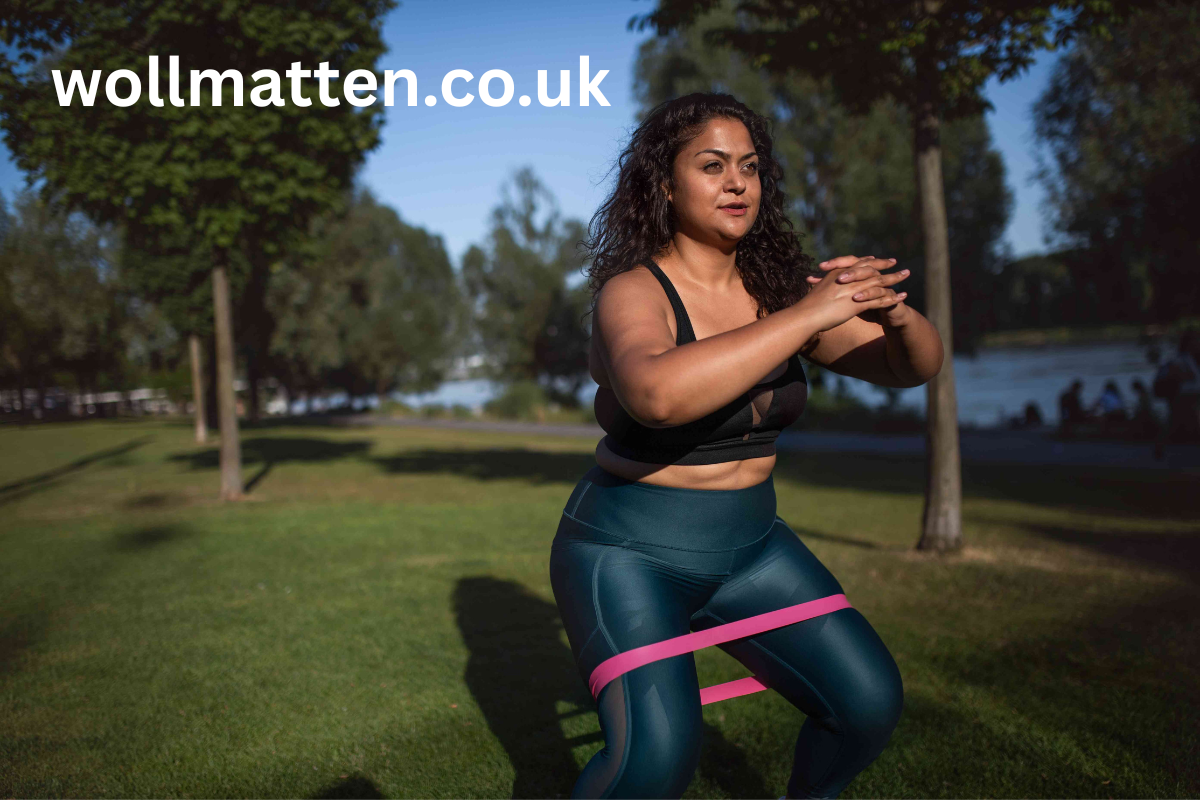
You can take your standard squat to the next level by adding a booty band. Place the band above your knees and stand with your feet shoulder-width apart. Perform a normal squat, but focus on pushing your knees outward against the band as you lower down. This extra resistance forces your glutes to work harder throughout the entire range of motion.
Banded Kickbacks
Get on all fours with the band around the arch of your foot and your opposite knee. Drive your foot straight back and up, squeezing your glute at the top. This exercise isolates the gluteus maximus and helps build that round, lifted look.
How to Choose the Right Booty Bands
Choosing the right band can feel overwhelming with so many options on the market. But it really comes down to a few key factors: material and resistance.
Fabric vs. Latex
Fabric bands are generally more comfortable. They do not roll, slip, or pinch your skin like rubber bands can. This makes them ideal for glute-specific work where the band sits on your thighs. However, they do not stretch as much as latex bands. Latex bands are more stretchable and often offer a greater range of resistance levels. They are also more versatile for different types of exercises. If you are just starting out, a fabric set is often recommended for its comfort and stability.
Picking the Right Resistance Level
Most booty bands come in sets of three: light, medium, and heavy. If you are a beginner, start with a light or medium band. You want to be able to perform the exercises with proper form. If the band is too heavy, you might compensate with other muscles and lose the activation you are looking for. As you get stronger, you can progress to the heavier bands. A good rule of thumb is that you should feel the burn, but you should not be struggling to complete the movement.
The Honest Truth: Limitations of Booty Bands
It is important to manage your expectations. While booty bands are a great tool, they have limitations.
Not a Substitute for Heavy Lifting
If your primary goal is to build significant muscle mass (hypertrophy), booty bands alone are not enough. To grow muscle, you need progressive overload, which typically requires heavy weights. Bands simply do not provide enough total resistance to stimulate significant muscle growth on their own. They are best used for activation, warm-ups, and as a complement to your heavier compound lifts.
The Social Media Hype
You have probably seen videos promising “massive glute gains in just 5 minutes a day” using only a booty band. While these workouts can be a great addition to your routine, the results are often exaggerated for social media. Building muscle takes time, consistency, and hard work. A booty band can help, but it is not a quick fix.
Personal Tips for Maximizing Your Results
From my own experience, I have found that the secret to getting results with booty bands is consistency and focus.
First, always use them as part of a warm-up. Doing a few sets of lateral walks and glute bridges before squats or deadlifts makes a huge difference in how your glutes fire during the main workout. Second, focus on the mind-muscle connection. Do not just go through the motions. Squeeze your glutes intentionally with every rep. If you are not feeling the burn, you are probably not doing it right. Finally, be patient. Results will not happen overnight, but if you stick with it, you will notice your glutes becoming stronger and more defined over time.
Common Mistakes to Avoid
Using the Wrong Resistance
Starting with a band that is too heavy is one of the most common mistakes. It compromises your form and shifts the focus away from your glutes. Start light and focus on form.
Not Maintaining Tension
The band should always be under tension. If it goes slack, you are not getting the full benefit of the exercise. Control the movement and keep the band stretched.
Neglecting Form
This applies to any exercise. If your form is off, you are not targeting the right muscles and you risk injury. Keep your core engaged, your chest up, and your movements controlled.
Safety Tips
While booty bands are generally safe, you should still take some precautions. Always inspect your band for tears or wear before using it. A snapping band can cause injury. If you have a latex allergy, opt for fabric bands to avoid any reactions. And as with any new exercise program, consult with a healthcare professional if you have any pre-existing conditions.
Conclusion
Booty bands are a versatile, affordable, and effective tool that deserves a place in your workout routine. They excel at activating your glutes, improving your form, and adding variety to your training. However, they are not a magic solution for building a massive glute. They work best when used as a supplement to a well-rounded strength training program that includes heavy compound lifts. The key is to use them consistently, focus on your form, and gradually increase the resistance as you get stronger. So, whether you are looking to improve your squat, prevent knee pain, or just add some extra burn to your workouts, a booty band might be just what you need.
Have you tried using booty bands in your workouts? What is your favorite exercise? Share your experience in the comments below!
Read this to: Fibrodysplasia Ossificans Progressiva: The Shocking Truth About This Rare Disease
Frequently Asked Questions
Do booty bands actually build glute muscle?
Yes, but they are most effective for activation and endurance. To build significant size, you need to combine them with heavy resistance training like squats and deadlifts.
How often should I use booty bands?
You can use them daily for activation warm-ups. For targeted strength workouts, aim for 2 to 3 times per week.
Are fabric booty bands better than latex?
Fabric bands are more comfortable and do not roll up, making them better for glute-specific exercises. Latex bands are stretchier and more versatile.
Can beginners use booty bands?
Absolutely. They are perfect for beginners because they are low-impact and help teach proper form. Start with a light resistance band.
Can men use booty bands?
Yes, absolutely. Booty bands are not just for women. They are excellent for improving hip stability, knee health, and overall lower body strength for anyone.
Can I use booty bands every day?
Yes, for warm-ups and activation. However, like any strength training, it is best to allow your muscles to recover if you are doing intense workouts.
What resistance level should I start with?
Beginners should start with a light or medium band. You want the exercise to be challenging but still allow you to maintain perfect form.
Do booty bands help with knee pain?
Yes, they can help by strengthening the gluteus medius, which stabilizes the knee and prevents inward collapse during movement.
How do I clean my booty bands?
Fabric bands can usually be hand-washed with mild soap and air-dried. Latex bands can be wiped down with a damp cloth.
Are booty bands good for physical therapy?
Yes, they are often used in physical therapy for hip and knee rehabilitation because they provide controlled, low-impact resistance.