Annapurna Circuit Trek Best Time To Go And What Each Season Feels Like
Picking when to trek the Annapurna Circuit shapes everything about the trip. Autumn brings sharp skies where peaks stand out like drawings. Spring walks come alive with color as blossoms open along the path. Winter? Fewer people, colder air, stillness under snow-dusted trees. Weather shifts month by month, so what feels right depends on how much chill you welcome, whether silence matters more than sunshine, or if seeing far means more than walking slowly. Some months fill fast, others stay empty – choice leans heavily on mood as much as forecast.
Spring March to May
Warm days wander through the trails when spring arrives on the Annapurna Circuit. Skies often stay calm, offering steady steps under mild sun. Instead of gray, pink and red burst from rhododendrons along quieter slopes below. Mornings lift veils early, revealing sharp peaks before clouds gather later. Pleasant paths stretch ahead, shaped by gentle shifts in air and light.
Autumn Season Experience September to November
Clear skies follow the rains, opening wide views of the Himalayas come autumn. Walking feels easier when temperatures settle into a comfortable rhythm each day. Most people choose this time to trek, so paths hum with quiet footsteps and passing greetings. With steady air and fewer storms, trails stay open and predictable. Crowds grow, yet moments of stillness remain between one campsite and the next.
Winter Months December to February
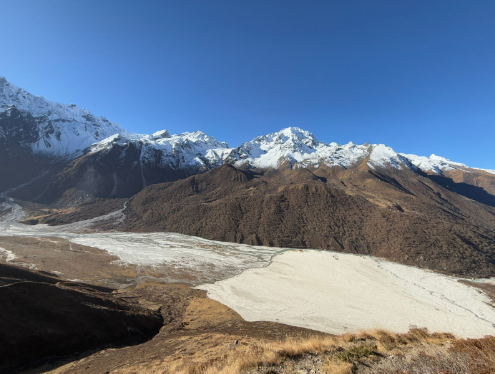
Heavy snow arrives when winter sets in, blanketing high places first. Higher up, paths such as Thorong La Pass often vanish under thick layers of white, cutting off access completely. Lower valleys stay open though, reachable without extreme difficulty. Cold does not scare everyone – some welcome the hush that frost brings to empty slopes. Fewer people walk these routes now, leaving only footprints behind in untouched stretches.
Monsoon Season June to August
Rainy months see fewer trekkers on the Annapurna Circuit. Slippery paths turn dangerous when downpours hit, especially where slopes give way more easily. Thick clouds hide peaks most days, so photo chances shrink fast. Yet everything grows wild and bright green under soaked skies, while Mustang escapes much of it – shielded behind high ridges that stall storms before they arrive.
Crowd Levels Across Seasons
Most people show up during autumn, when paths fill fast and teahouses get packed. Then comes spring – still busy, though not quite as full. Fewer travelers appear once winter hits, leaving trails hushed and remote. Monsoon pushes even more away, making space for anyone wanting quiet steps through misty hills.
Weather Stability Comparison
Most steady skies show up in fall, then near-equal calm in spring. Those times bring fewer surprises, safer routes across tall mountain crossings. Cold sticks around winter, yet stays fairly even down below. Monsoon days shift fast – clouds hang low, rain hits often in the shallow valley floors on the Annapurna Circuit Trek.
Seasonal Scenery Changes
Flowers paint the trails in springtime hues while trees stretch out fresh leaves. When fall arrives, mountains sharpen into view under crisp skies instead of hiding behind summer haze. Snow drapes every ridge and peak during winter months, turning paths into silent white corridors. Monsoon shakes things up – green climbs higher on hillsides as waterfalls wake up downstream. What a person hopes to see decides which time suits best.
Changing Difficulty Across Seasons
Hardship on the trail shifts as seasons turn. When autumn arrives, things slow down, trails stay open, skies hold steady. Spring brings similar ease, just warmer. Cold grips everything in winter, snow blocks routes, movement gets harder. Monsoon season turns ground slick, clouds hide views, worst below where mist gathers thick.
Conclusion
Most people pick autumn or spring for the Annapurna Circuit because skies stay clear and trails feel steady underfoot. Depending on your mood or skill, winter might surprise you with quiet paths and crisp air. Summer arrives with misty mornings, green slopes – less crowded but wetter under rain boots. Some enjoy the monsoon’s hush, others chase post-rain blooms in early September. Even snowy weeks have their charm when villages wear hats of white. Each turn of the calendar shifts what you see, hear, step into.
